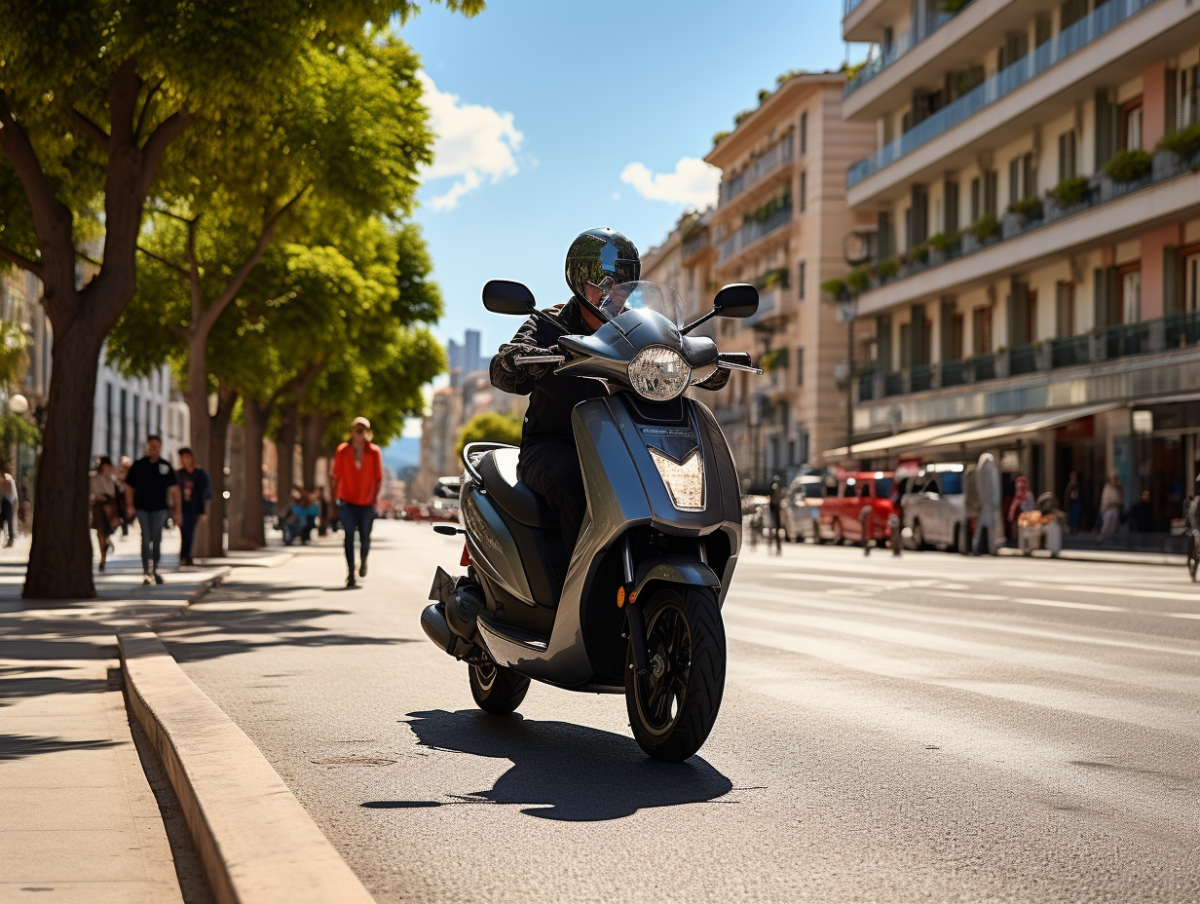
Faced with increasing urban congestion and environmental concerns, city dwellers are seeking more agile and less polluting means of transportation. Small vehicles suited for city traffic are gaining popularity. These alternatives, such as electric bikes, scooters, gyropodes, and small electric scooters, provide a practical and ecological response. They allow users to navigate through traffic, reduce greenhouse gas emissions, and promote soft mobility. This is a trend that is transforming the face of urban transport, encouraging a healthier lifestyle and a less congested city.
Small Urban Vehicles: Towards Sustainable and Adapted Mobility
Urban mobility, with its varied modes of transport and complex organization, is at the heart of contemporary issues. The movement of people and goods, essential to the dynamism of urban areas, requires solutions that are both efficient and environmentally friendly. In this context, the 4-seater car without a license stands out as an innovative alternative, combining accessibility and low ecological impact. It meets the needs of those who prioritize simplicity and practicality in their urban daily lives while adhering to a greener approach.
Street congestion, a glaring symptom of urban densification, is a mobility issue that undermines the quality of life in public spaces. Intense traffic, a hallmark of dense areas, leads to chronic traffic jams and concerning air pollution. In response, alternative vehicles present a pragmatic solution, offering smoother traffic flow and reducing carbon footprints. The rise of mini electric cars, electric scooters, and electric-assist bikes reflects an awareness and a desire to reinvent the use of urban space.
AVELI, representing intermediate light vehicles, works to promote these modes of transport within the framework of the ecological transition. This association collaborates with organizing authorities and local governments to integrate these vehicles into sustainable mobility policies. Their role is fundamental in reducing pollutant gas emissions, aligning with a mobility orientation law and low emission zones. Highlighting these alternatives underscores a key objective: to transform the current urban mobility model to make it compatible with ecological imperatives and the needs of city dwellers, including those with disabilities.

Assessment and Perspectives of Alternative Transport Means in Urban Areas
In light of the imperative for ecological transition, charging infrastructures for electric vehicles play a pivotal role. These installations, spread throughout urban spaces, facilitate the use of electric and hybrid vehicles, ensuring their seamless integration into the daily lives of city dwellers. The deployment of charging stations is becoming an increasingly decisive criterion in consumers’ choices for alternative vehicles. This dynamic supports a dual objective: making urban life easier and promoting less polluting mobility.
Public transport, the backbone of urban travel, provides a structural response to city congestion. Subways, trams, and buses, in complementarity with new modes of transport, work towards a significant reduction in dependence on individual cars. Mobility organizing authorities, supported by local governments, back these shared transport systems to improve service offerings and user experience. The cohesion between traditional and alternative transport modes is essential to achieving sustainable development goals.
Carpooling and car-sharing embody the era of the sharing economy applied to mobility. These practices, by rationalizing vehicle use, significantly contribute to reducing the number of cars on the road, thereby alleviating pressure on urban infrastructures and the environment. Commuting trips, often similar for many users, lend themselves particularly well to carpooling, while car-sharing appeals due to its practicality and cost-effectiveness. These collaborative models, encouraged by mobility organizing authorities (AOM), promote an improvement in quality of life in urban areas and a reduced carbon footprint.