In France, 30% of greenhouse gas emissions come from the residential and tertiary sectors, according to the Ministry of Ecological Transition. However, some communities are already achieving recycling rates above 70%, far exceeding the national average.
Every year, businesses, associations, and citizens come up with new ways to reduce environmental footprints in areas as diverse as food, mobility, and waste management. These initiatives are based on concrete, measurable, and reproducible results.
Why adopting a sustainable lifestyle makes a difference for the environment
At a time when pollution and climate change are shaking the planet, the impact is palpable: the gradual disappearance of biodiversity, strain on natural resources, and weakened public health. Each year, France mourns nearly 40,000 premature deaths linked to pollution. Greenhouse gas emissions from human activity fuel the climate crisis and accelerate the deterioration of our shared environment.
Adopting a sustainable lifestyle is not just a trend or an abstract injunction. It is a well-reasoned choice, supported by studies and data. Through every decision—food, mobility, consumption—we take concrete action to reduce the pressure on nature. Lowering one’s carbon footprint, managing waste, conserving water: these are all levers that feed the ecological transition and protect ecosystems for years to come.
Here are some direct benefits of these eco-responsible approaches:
- Limit the impact of human activities: preserve air and soil quality.
- Reduce greenhouse gas emissions: slow down global warming.
- Adopt responsible consumption: protect biodiversity and natural resources.
The experience of Durabilis perfectly illustrates the power of collective action. Thoughtful consumption choices, fewer polluting trips, and a committed energy sobriety: these initiatives take root in reality and outline the contours of a sustainable development that is clear-sighted and concerned with the common good.
What concrete actions can be integrated into daily life to reduce ecological impact?
Reducing one’s ecological footprint starts at home, with gestures accessible to everyone. The first area of focus is waste management: sorting, recycling, composting. The zero-waste approach aims to limit production from the outset, while second-hand options give new life to objects, curbing resource waste.
For energy, efficiency lies in the details: completely turning off devices instead of leaving them on standby, choosing LED bulbs, improving insulation, lowering heating temperatures. These small, repeated efforts significantly reduce greenhouse gas emissions. Water also deserves special attention: favor short showers, install a rainwater collector for watering plants, and track down any leaks.
Food choices weigh heavily on the environmental balance. Focusing on local and seasonal products, reducing meat consumption—especially beef, whose production consumes up to 13,500 liters of water per kilo—is a direct way to reduce carbon footprints. Prioritizing short supply chains means less transportation and therefore less pollution.
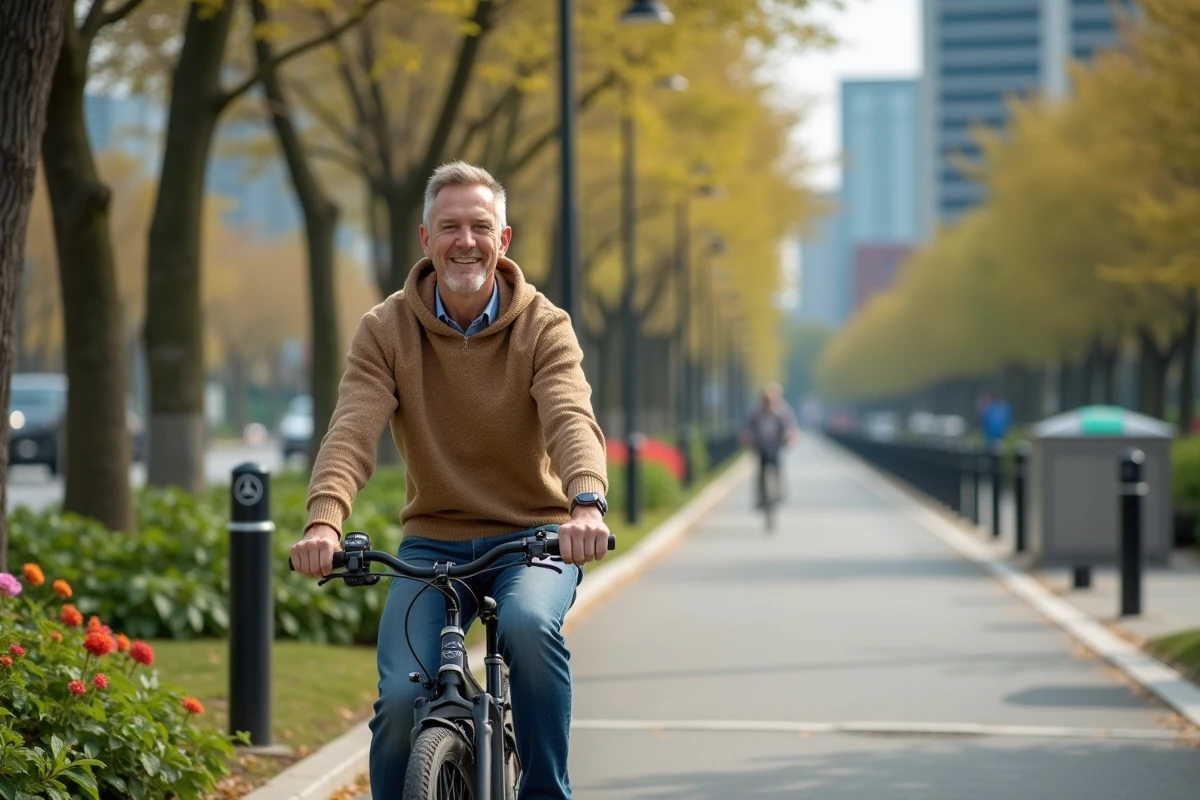
When it comes to transportation, every alternative to individual cars counts. Walking, biking, taking public transport, or carpooling: these soft mobility options reduce pollution and make cities more breathable.
Household products are also important. Choosing eco-friendly alternatives limits the spread of harmful substances in indoor air and wastewater. The logic of circular consumption—repair, reuse, bulk buying—extends the lifespan of objects, reduces waste, and encourages a more responsible relationship with consumption.
Ultimately, every modified habit, every conscious choice, shapes a more sober daily life that aligns with today’s ecological challenges.
Spotlight on local and collective initiatives that inspire change
Here and there, citizen collectives are mobilizing, proving that local action can transform ecology into concrete reality. Shared composters, urban gardens, repair workshops: these are all projects rooted in neighborhoods and driven by the energy of those who bring them to life. In Lyon, for example, some schools run educational programs where students learn to sort, compost, and measure the amount of food waste avoided week after week. This awareness comes through action, numbers, and direct experience.
On the business side, commitment takes shape through the redesign of production methods or investment in low-carbon solutions. Some organizations adopt sustainable mobility plans for their employees, reducing the footprint linked to daily commutes. Others focus on the circular economy: sharing equipment, valorizing waste, and using second-hand professional furniture.
Associations and local collectives are also active. With the support of ADEME, they organize conferences, exhibitions, or urban walks to better understand the challenges of ecological transition. These events, based on concrete data, allow everyone to grasp the impact of their lifestyle and the benefits of collective engagement.
Here are some examples of inspiring initiatives:
- Collective composters in the neighborhoods of Paris
- Incubators for ecological projects to support citizen initiatives
- Practical workshops to learn how to repair, recycle, and save energy
The momentum is not limited to large cities. In many villages, communities are organizing to relocalize food production, share transportation means, or create support networks around energy savings. Everywhere, the desire to act translates into concrete solutions that, when combined, outline a more sustainable France. This is proof that ecology is no longer an option, but a collective force that is experienced and invented daily. Who knows how far this citizen energy can take us?