The color palettes are changing, the silhouettes are being reshaped, and the accessories are gaining volume. But this year, fashion and lifestyle trends are not limited to the runways. They are also being shaped by new European regulations that transform how brands design, produce, and sell their collections.
European textile regulation: what changes concretely for your wardrobe
You may have noticed that some brands are communicating more about the sustainability of their pieces? It’s not a coincidence. Since January 1, 2025, all EU member states must organize separate collection of textiles. Sorting, reuse, and management of clothing waste have become obligations, not options.
Another turning point: since July 19, 2026, large companies are no longer allowed to destroy their unsold clothing and shoes, under the ESPR regulation (Ecodesign for Sustainable Products Regulation). Brands must document and publish their unsold volumes. This framework pushes collections towards more reasonable volumes and materials designed to last.
The revision of the framework directive on waste, effective since October 16, 2025, also imposes Extended Producer Responsibility (EPR) schemes for textiles. Eco-contributions are adjusted according to the durability and recyclability of each product.
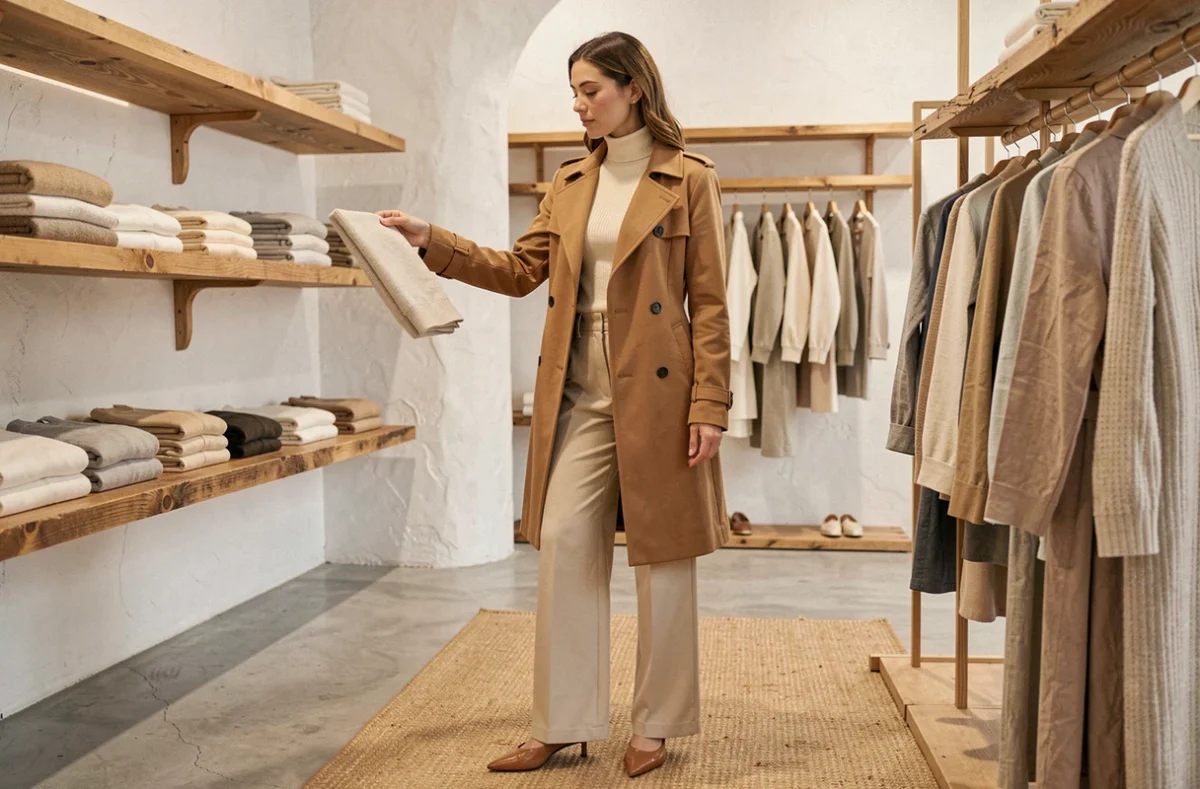
In practice, a garment designed to be recycled costs less in eco-contribution than a single-use item. The fashion trends of 2026 bear the mark of these constraints, including choices of materials and cuts that emphasize maintenance rather than replacement. Several specialized media, including BH Magazine, closely follow these developments and their impact on everyday style.
Trendy colors 2026: lavender, glacier blue, and bright palettes
After several seasons dominated by neutral tones, the return of bold colors marks the season. Lavender is prominent on flowing dresses, satin shorts, and handbags. Glacier blue, fresh and bright, is seen in everything from coats to accessories.
These shades are not chosen at random. Soft and bright colors adapt better to sustainable wardrobes because they easily combine with each other, reducing the need to multiply pieces. A lavender sweater pairs well with both raw denim and beige pants.
How to integrate these colors without revamping your entire wardrobe
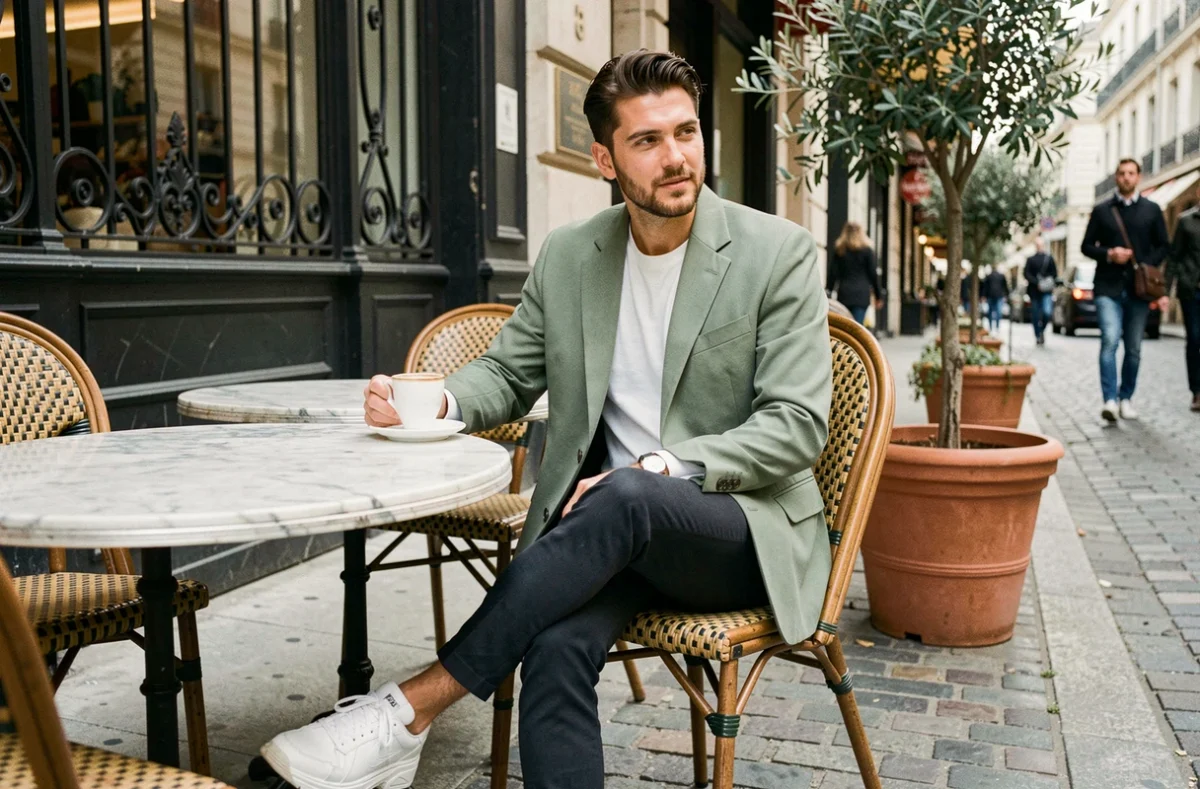
The idea is not to buy everything anew. A single colorful accessory, a brooch, a bag, or a pair of shoes, is enough to refresh a sober outfit. Brooches, in particular, are making a notable comeback this year. Worn on a solid blazer or a shirt collar, they add dimension without overdoing it.
- A lavender bag worn with a black or navy outfit creates a sharp contrast without overwhelming
- A vintage brooch on a workwear coat adds a personal touch without following a uniform
- A glacier blue sweater paired with beige pants creates a clear and versatile spring look
Transparency and lace: the trend that divides (and how to wear it)
Lace and transparent materials are returning to the runways, but their adoption in everyday life raises a real style question. Wearing lace in 2026 means embracing a layering game.
Transparency works better as an intermediate layer than as a main piece. A lace top worn under a structured jacket, a sheer blouse tucked under a round-neck sweater: these combinations allow for integrating the trend without slipping into evening wear.
This approach aligns with the sustainability logic that runs through the season. Layering pieces also extends their usage duration by adapting them to different contexts. A lace dress worn alone remains confined to special occasions. The same dress worn under a short trench can accompany a daytime look.
Sustainable lifestyle: beyond clothing, habits that are changing
The lifestyle of 2026 is not just about what we wear. Consumption choices are also evolving in beauty, decoration, and everyday accessories.
Why this shift? Because the European textile regulation has a domino effect. Consumers exposed to mandatory clothing sorting are starting to apply the same logic elsewhere. The reflex “buy less, choose better” spills over from the wardrobe to the rest of the home.
Three concrete axes of this lifestyle shift
- Fashion accessories (bags, belts, jewelry) are gaining perceived quality: buyers are investing in pieces they keep for several seasons rather than following every micro-trend
- Refillable cosmetics and reusable packaging are multiplying in mainstream distribution channels, not just in niche markets
- Furniture and interior decoration are following the same trajectory, with a return to raw materials (linen, wood, ceramics) that age well rather than disposable finishes
The style of 2026 is viewed through a simple filter: each piece must justify its place through its versatility and longevity. This year’s fashion and lifestyle trends do not reward quantity. They value precise choices, thoughtful combinations, and materials that keep their promises over the seasons.